
Cybersecurity
Guides to NIS2, the Cyber Resilience Act, security testing and secure development.
All Cybersecurity articles
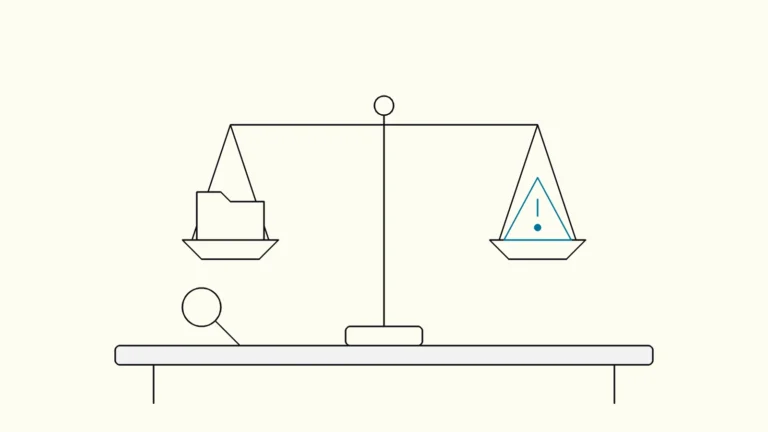
Risk analysis for information security: a step-by-step method
A method a mid-sized company can run with its own people in a few workshops: what to prepare, the eight steps, how to write the risk register and when to do it again.
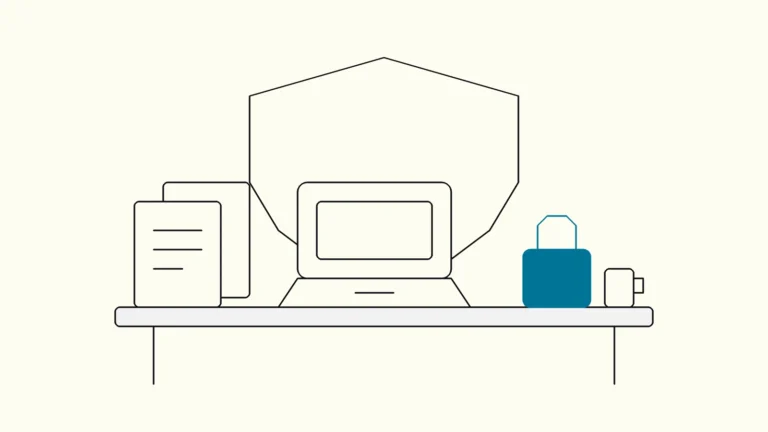
Information security vs cybersecurity: the difference, and what an ISMS is
The two terms are used as synonyms, but they cover different ground. This explainer separates them, places IT security and data protection next to them, and shows what a security management system (ISMS) actually consists of.

Secrets management: keeping keys and passwords out of your code
An API key in a Git repository is one of the cheapest ways into a company. A practical guide to finding the secrets you already leak, moving them somewhere safe and making new leaks hard.
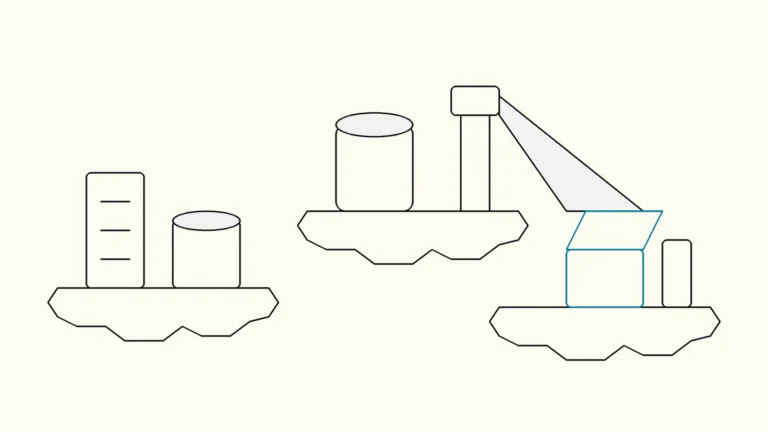
Cloud security posture management (CSPM) explained
Most cloud breaches start with a setting, not a sophisticated exploit. What CSPM does, what it does not do, which tools you may already have, and how to turn a long list of findings into fewer real risks.
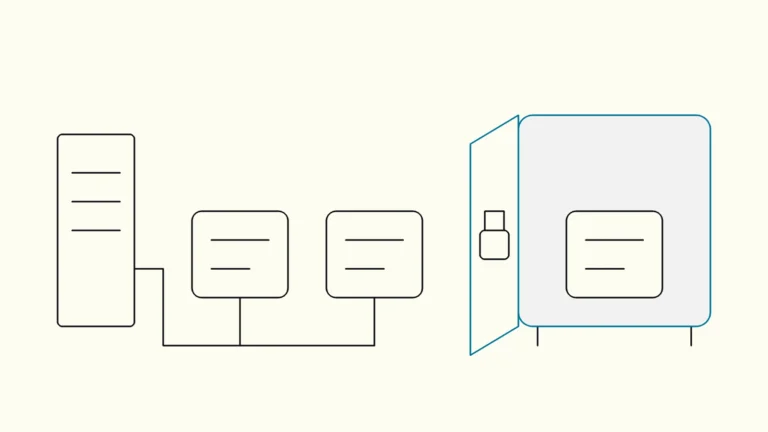
Backups that survive ransomware: the 3-2-1 backup rule and beyond
Modern ransomware goes after your backups first. How to extend the classic rule with offline and immutable copies, separate credentials and restore tests, so that recovery is a plan rather than a hope.
How to choose a cybersecurity consultant
Security consulting covers everything from a two-day pentest to years of product security work. A step-by-step way to define what you need, compare suppliers on evidence and set up an engagement that leaves you stronger.
SAST, DAST or SCA: which application security testing do you need?
Three acronyms, three different blind spots. A decision table for engineering leads who need to pick what to adopt first and how the tools fit together in the pipeline.
Security awareness training that changes behaviour
Most programmes produce completion certificates, not safer habits. This guide shows how to design training around the few behaviours that actually reduce risk, and how to tell whether it works.
Cyber Resilience Act vulnerability handling and reporting: what product teams must set up
The reporting clock is already running. Here is who must report, what the deadlines are, and the intake, triage and disclosure process a product team needs behind them.
Software supply chain security: managing the risk in your dependencies
Most of the code you ship was written by someone else. A step-by-step guide to knowing what is in your software, choosing what to trust, protecting the build and reacting fast when a component is compromised.
Embedded and IoT security: what connected product makers need to know
Devices live for years in places you do not control. What embedded security means, how it differs from IT security, which EU rules apply as of October 2026, and the controls to design in from the start.
OWASP Top 10 explained for product and engineering leads
What the ten risk categories mean in plain terms, what changed in the 2025 edition, and how to use the list without turning it into a checkbox exercise.
What is an SBOM, and why does the Cyber Resilience Act require one?
How a software bill of materials works, which formats to use and how to produce it automatically.
The Cyber Resilience Act for product companies
What the CRA requires of connected products, the timeline up to 2027 and what your development team should do now.
Pentest, vulnerability scan or threat modeling: which one do you need?
The difference between a penetration test, vulnerability scanning, threat modeling and red teaming, and when each method pays off.
DevSecOps: security built into every release
How to build OWASP controls, dependency scanning and code review into CI/CD without slowing the team down.
The Swedish Protective Security Act (säkerhetsskyddslagen): who is covered and what to do
What security-sensitive activity means, the duties it triggers, what changed in 2026, and the first steps for operators and their suppliers.
NIS2 and the Swedish Cybersecurity Act in practice
A checklist for leadership and IT: who is covered, which requirements apply and where to start.
Identity and access management explained: SSO, MFA and least privilege
Most breaches now start with a stolen or misused identity. How SSO, MFA and least privilege work together, what has changed in the guidance, and where a mid-sized company should begin.
ISO 27001 or SOC 2: which one do your customers expect?
How the certificate and the audit report differ, which markets and buyers ask for which, and how to avoid doing the same security work twice.
ISO 27001 explained: what it is and how to prepare for certification
What the standard actually requires, how the controls in Annex A fit in, what the certification audits look like and how to prepare without building a paper exercise.
Incident response plan: what to prepare before a security incident
The roles, decisions, reporting deadlines and technical groundwork to have in place before the first alert, so the worst day is not also the most chaotic one.
How to run a threat modelling workshop for your product
A practical agenda for product teams: who to invite, what to prepare, how to find threats with STRIDE and how to turn the result into work your engineers will actually do.
Zero trust explained: what it means for cloud and product teams
What the model is, what it is not, and the first changes that matter in your cloud platform and in the products you build.
From our work
 Client Case: ZenseactHow Devies helped Zenseact make cybersecurity a natural part of developing safety-critical software for driver assistance and autonomous driving.
 Consilium and Devies Cybersecurity+Consilium Safety Group and Devies Cybersecurity+: a partnership for future-proof cybersecurity in fire, flame and gas safety systems.