Interview with Fredrik Björkeroth, Devies Digital Core
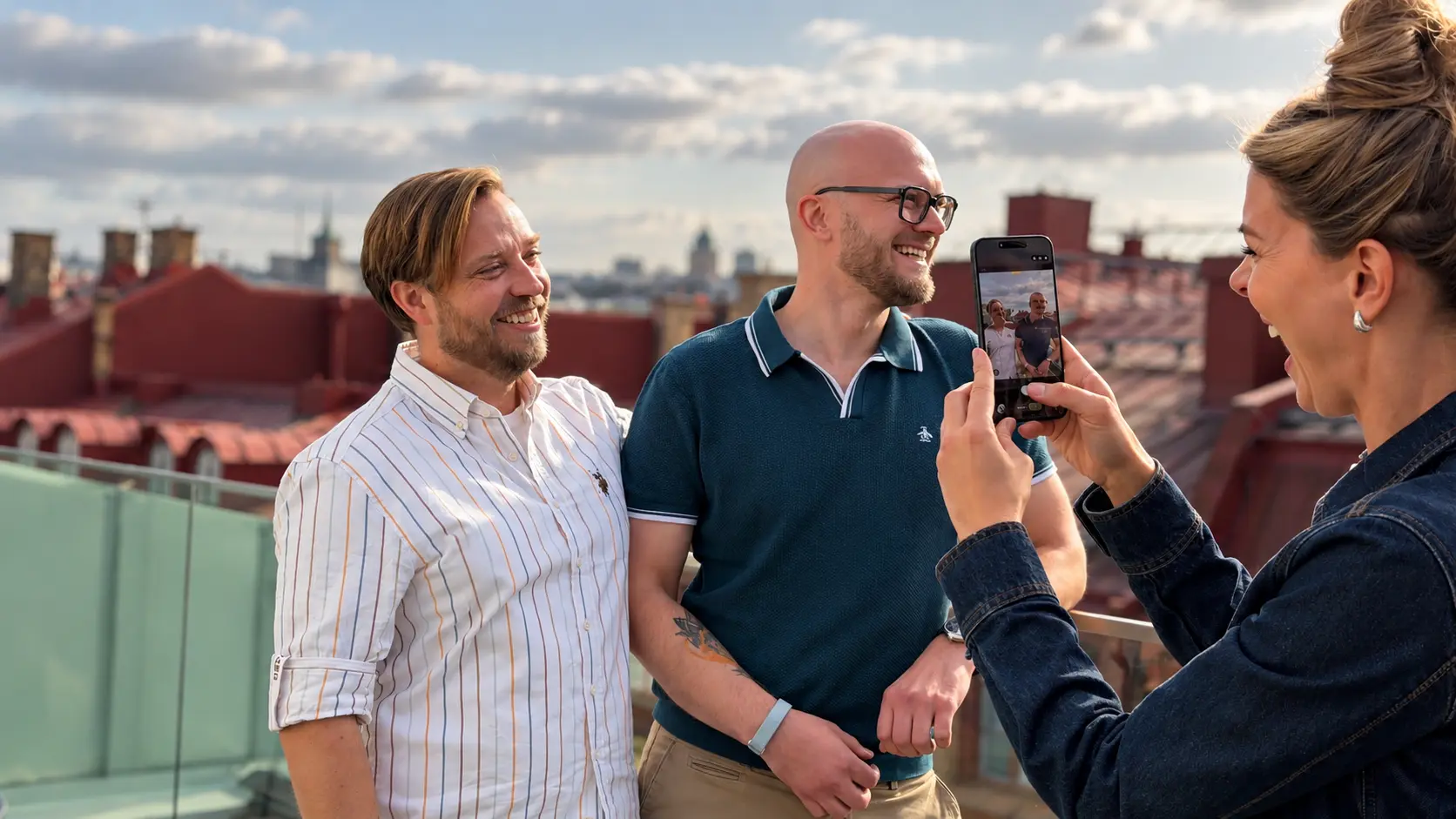
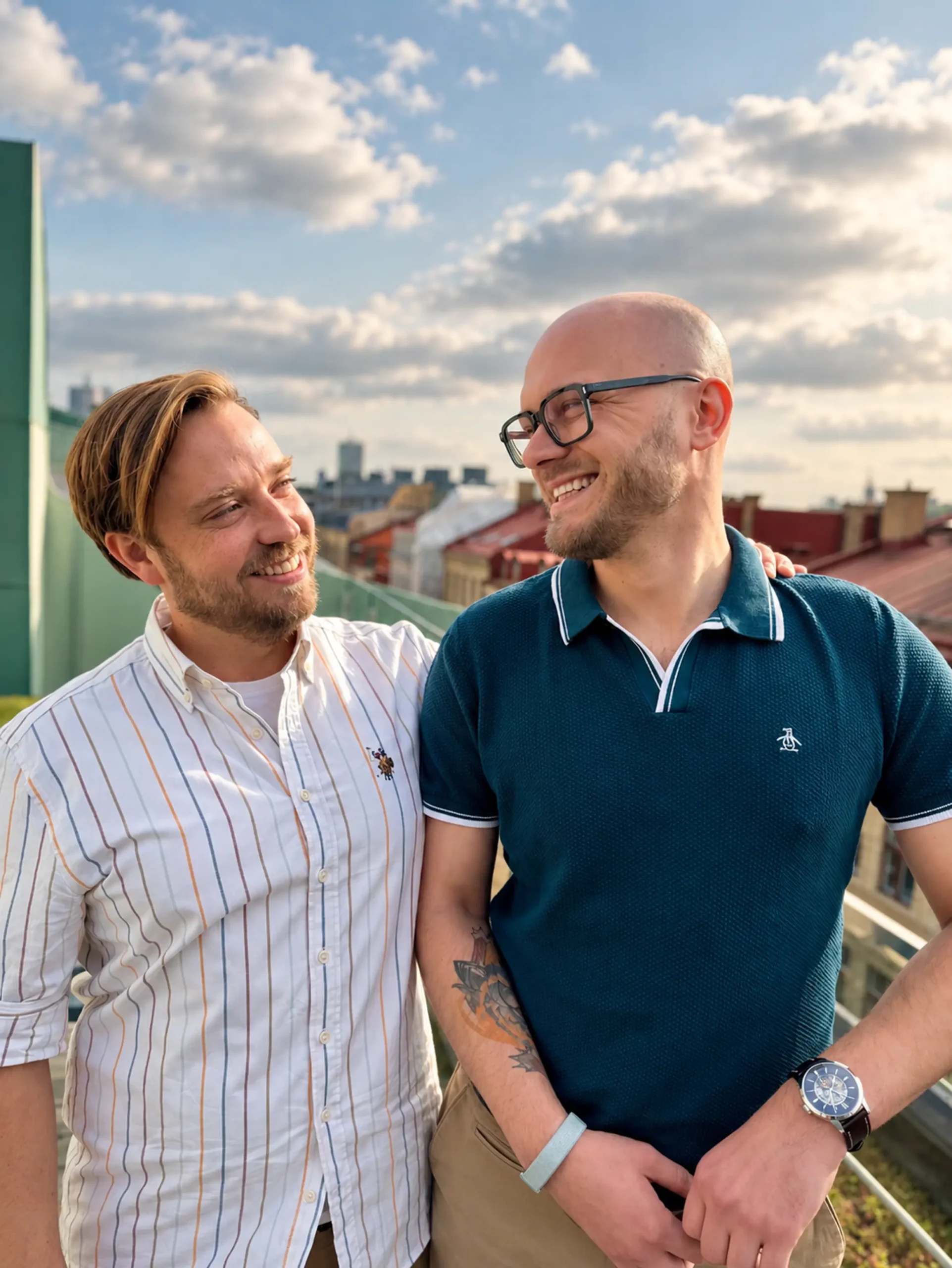
Fredrik Björkeroth went from building models of how the universe works to working on ML systems where a wrong number costs real money, fast. Today he works where data, models and software meet, and he is building the Devies team in Malmö. To do this, he’s leveraging over 10 years’ experience in software and modelling. We talked about why today’s problems are broad rather than simply large, why they are best solved by teams that own the whole delivery together, and what it takes to turn a model into the solution to a real customer problem.
The problems we face aren’t necessarily too large, but they are broad.
10+
years’ experience in software and modelling
PhD
in theoretical physics
Malmö
building the Devies team
From physics to production
You started your career in theoretical physics, which is quite far from the software and ML work you do today. How did you end up making that transition?
I did my PhD in theoretical physics and later worked as a researcher in Italy, building models around theories that might help explain how the universe works.
It was intellectually stimulating, but academia is also a tough environment, with few permanent positions and a lot of moving between temporary postdoc roles. At some point, I realised that probably wasn’t the life I wanted.
When I left academia, I initially applied for data science roles but almost by chance ended up in software development instead. The team built mathematical models, but in that first year I personally worked almost entirely on software development. Looking back, that was a gift, broadening my perspective rather than putting me straight into another specialised role. Eventually, I moved into a Quantitative Engineer role, a hybrid between data scientist and software engineer.
Then you found yourself calculating odds for football, an area where getting the numbers wrong could become expensive very quickly. What was that like?
We were responsible for the system calculating football odds in real time, so accuracy and speed was everything. If the calculations are wrong, a betting company can lose a lot of money very quickly.
I had no previous experience of sports betting and didn’t gamble. I joined a team that gave me the time and support to learn the domain, eventually becoming something of a domain expert myself, and was able to train others as well.
Later, I moved into recommendation systems and personalisation, where we learned from what customers did and what they seemed to like and adapted the product accordingly. That meant spending much more time in teams that thought carefully about the product, which was something I really enjoyed.
By that point, it wasn’t just about building a technically good model. How do you approach building a good product?
One of the most important aspects is realising that you don’t need to have the solution completely worked out before you start. What matters is understanding the problem as clearly as possible and being prepared to learn along the way.
With that said, I don’t believe in simply throwing something out there and hoping for the best. You need people with strong technical capabilities who are prepared to speak up, and listen to the expertise of others.
A former colleague used an expression I really like: “strong opinions, loosely held.” If you believe something, argue for it. But if new information suggests you might be wrong, you need to be receptive to that.
For me, building a good product has a lot to do with mindset and bringing together the right people.
You might not need that neural net where a linear approximation will do.
Broad problems need diverse teams
You’ve made some pretty big shifts in your career. What makes you comfortable stepping into something new?
I’ve worked in an industry that moves very quickly, where circumstances change and you have to take on something completely new. Part of being comfortable with that comes from experience, part of it is curiosity and wanting to learn.
“The problems we face aren’t necessarily too large, but they are broad.”
The questions people ask often have simpler answers than they think, at their core. You might not need that neural net where a linear approximation will do. But to be successful you need to know not only the math, but also your domain, business requirements, software stack and so on. I think we’re in a time where you can’t afford to narrow yourself too deeply into one area. The problems we face aren’t necessarily too large, but they are broad. You have to be prepared to think differently.
I came from academia, which is by its nature very specialised, then made a complete change. It was then I discovered how satisfying it can be to work on something stretching far beyond your comfort zone. Any initial nervousness turns quickly into an ambition to solve the problem, whatever shape it takes.
That seems to have shaped the kind of role you enjoy as well. Where do you feel you contribute the most?
In recent years, I’ve worked in what people would probably call an ML Engineer role, at the intersection of several different areas of expertise.
I like being able to work with software, models, model development and analysis, and then see what you build make its way into the real world and actually contribute something for a customer. That’s where I want to be: at the crossroads between those paths rather than confined to just one.
When a problem crosses several disciplines, one person usually can’t solve it alone. What have you learned about bringing different kinds of expertise together?
One of the best projects I worked on brought together people from software engineering, data science and ML engineering to build a new insights engine encompassing data, models and delivery.
We had a lot of freedom to decide how to organise the work, where experts from the different areas contributed what they knew. It was one of the most stimulating projects I’ve worked on, I learned an enormous amount from it.
Don’t be afraid to bring together people who haven’t worked together before and create new constellations.
Room to shape what comes next
If you look ahead, what kind of challenge would you most like to take on?
I’d really like to be involved in shaping a strategy and building something significantly better than what existed before, something that can change what an organisation is able to do and drive growth.
That was part of what attracted me to Devies. I don’t want to just be a small part of a large machinery. I want to be able to influence the environment around me, use what I know, and learn from other highly competent people at the same time.
I’m excited about building the team in Malmö and establishing ourselves as a force that can solve customer problems together.
I don’t want to just be a small part of a large machinery. I want to be able to influence the environment around me.